Company News
Viewing:
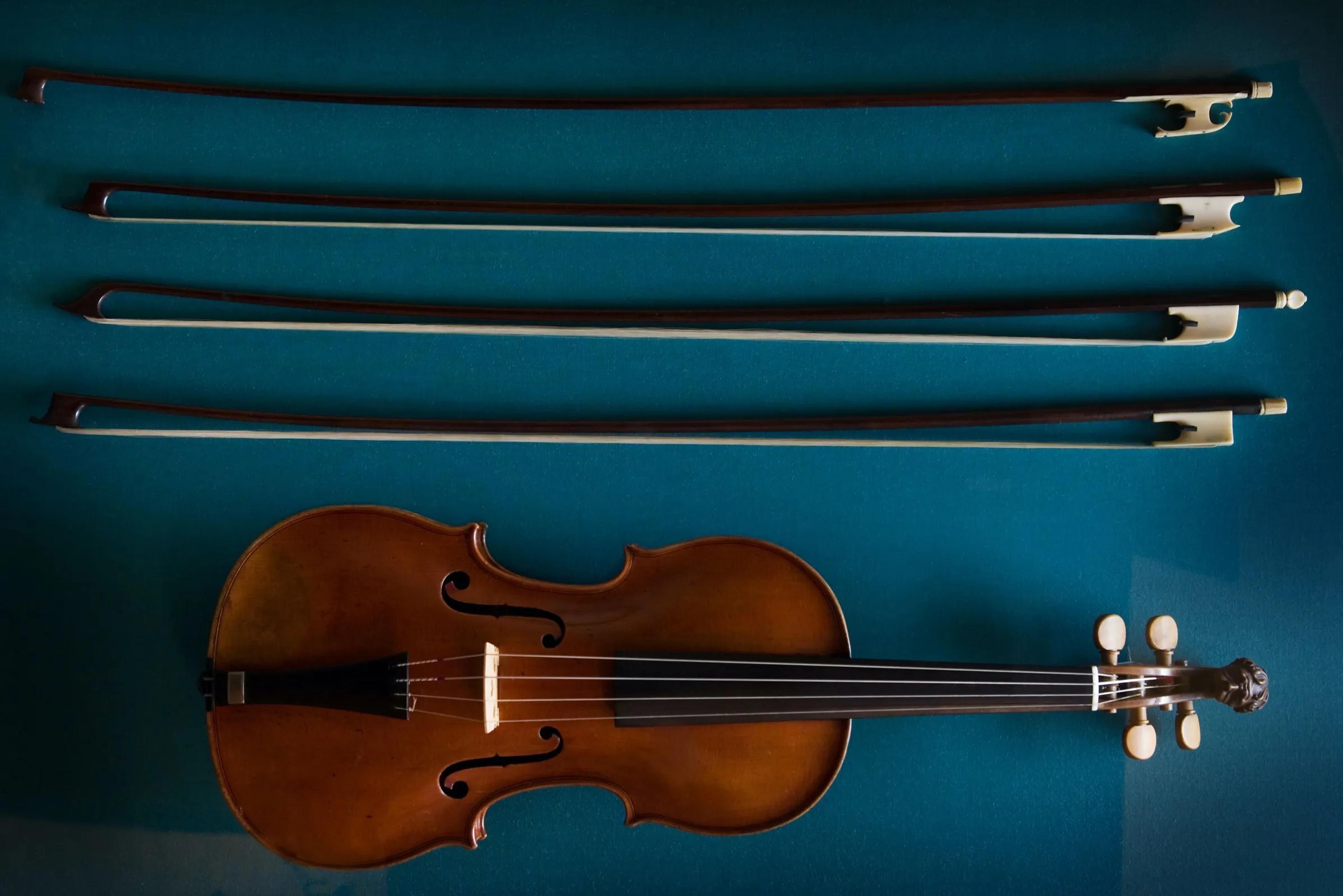
The classical music world has mounted a strong defence against the proposed global ban on the trade of pernambuco. Industry bodies including the Independent Society of Musicians, major musicians’ unions, leading orchestras including the Berlin Philharmoniker, and many luthiers argue that moving pernambuco to CITES Appendix I would impose crippling administrative burdens, threaten the craft of bow making, and jeopardise the global exchange of culture.
It is of great concern to us at Askonas Holt, as well as to our sister company, Opus 3 Artists, as, with many things, it falls within an area of competing priorities. Our commitment to sustainability is not just lip-service – we are actively seeking out and implementing ways to do our part to combat the climate emergency. However, the string players on our roster and those within the orchestras with which we tour depend on the unique relationship they have with their particular bow – it’s part of what makes them the musicians they are. The requirement for every string player to present their own CITES document for their bow and have it stamped every time they crossed a border would amount to nothing short of a disaster for a touring orchestra.
We support the goal of the IPCI in its mission to protect pernambuco. But like many of our colleagues around the world, we are hoping for a solution that will achieve the right balance of protecting this species of wood and sustaining local farmers, while also preserving the traditions of classical performance and touring.